
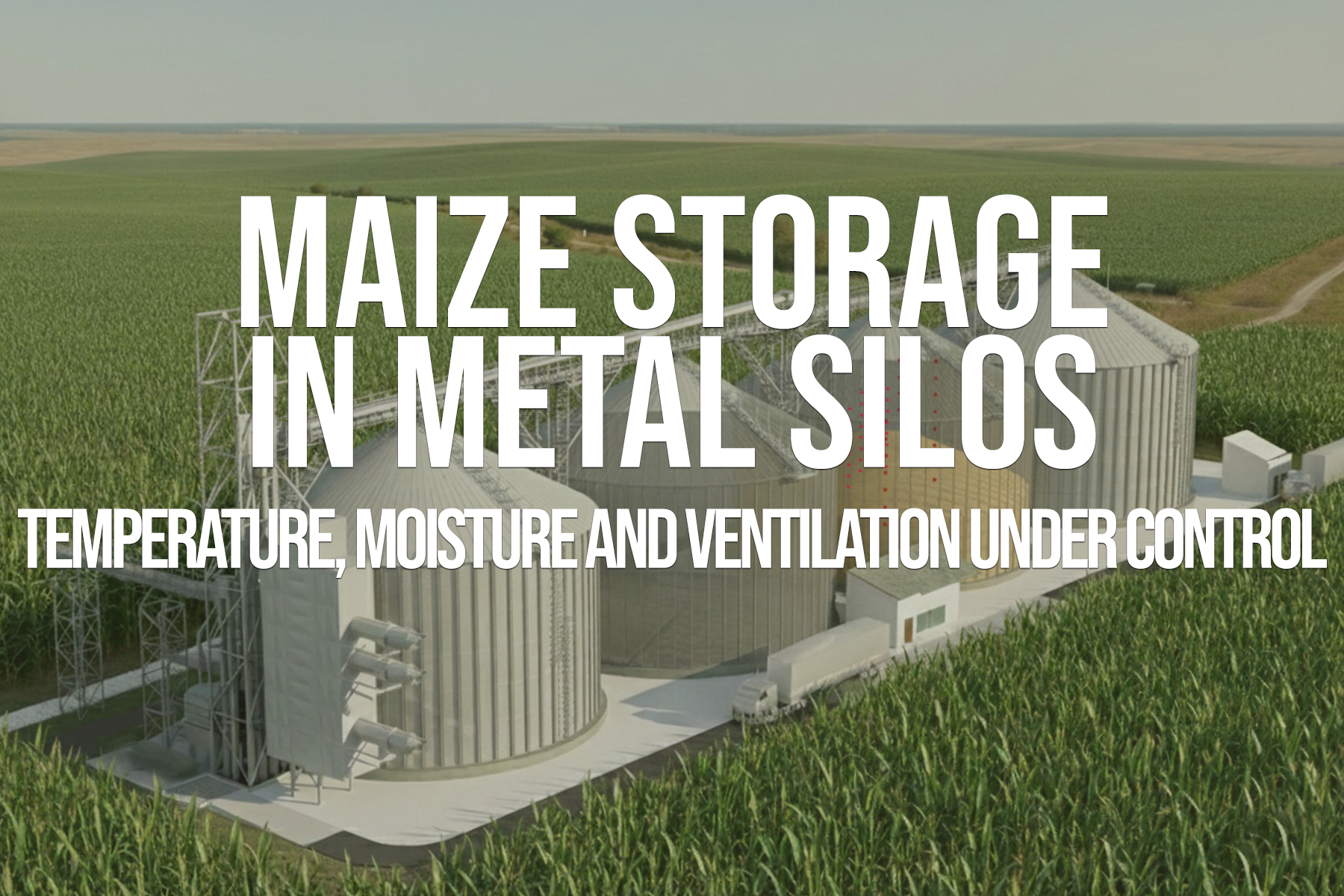
Storing maize safely requires controlling three key factors inside the silo: moisture, temperature, and ventilation. Maize respires, generates heat, and absorbs ambient moisture—conditions that can trigger fermentation, insect activity, and quality loss if not properly managed.
For this reason, many clients ask us: What does a metal silo need to keep maize stable for weeks or months?
The answer lies in a well-designed storage system and a clear control strategy capable of anticipating any deviation.
Maize Inside the Silo: a Living System That Reacts to Its Environment
Once stored, maize remains active: it releases heat, exchanges moisture, and can develop hot spots in just a few hours. If these are not detected and corrected in time, condensation and fermentation may occur, increasing the risk of infestation.
Controlling these variations is the foundation of any effective preservation strategy.

Optimal Conditions: 13% Moisture and 15°C
Maize stability depends on a precise balance between temperature and moisture. Under ideal conditions, 13% moisture and 15°C, grain can be preserved for approximately 100 days without deterioration.
If the temperature rises to 25°C and moisture to 15%, safe storage time may drop to 12 days.
This sensitivity makes thermal and moisture control a critical operation inside the silo.
Ventilation: the System That Keeps Maize in Balance
Properly sized ventilation allows you to:
√ Maintain safe temperature levels
√ Reduce moisture pockets
√ Limit insect development
√ Keep the grain mass uniform
Centrifugal fans ensure a stable airflow, while automatic aeration systems adjust operation based on ambient conditions, preventing unnecessary energy consumption and improving efficiency.
Temperature Monitoring: Detect Problems Before They Escalate
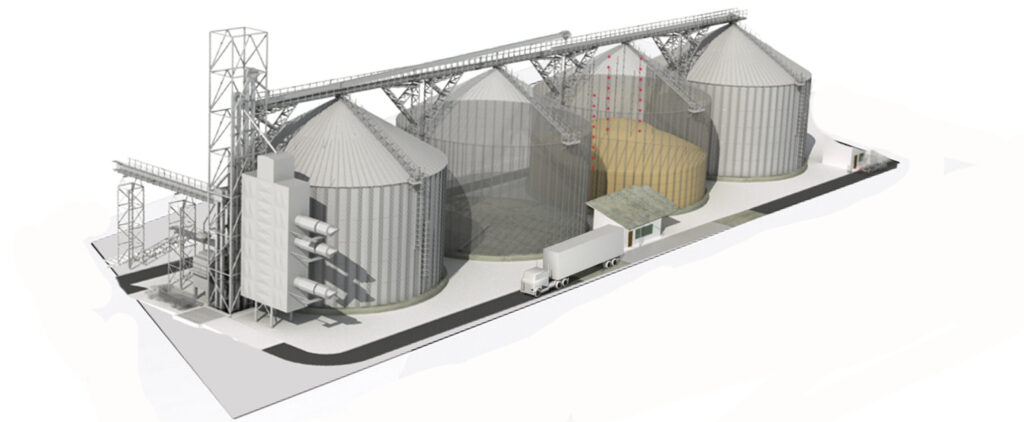
Temperature cables allow real-time monitoring of the silo interior. They make it possible to:
♦ Identify abnormal temperature rises
♦ Pinpoint areas where fermentation is beginning
♦ Determine when to activate aeration or cooling
In large facilities, continuous monitoring is essential to avoid losses and maintain maize quality.
Artificial Cooling: the Solution When Climate Conditions Don’t Help
In warm climates or during summer months, ambient air alone may not be cold enough to cool the grain. In these cases, artificial cooling allows you to:
◊ Introduce cold, dry air into the silo
◊ Reduce grain respiration
◊ Extend safe storage time
◊ Prevent the corn from reaching critical temperatures
This is especially useful in tropical regions or in facilities where corn must remain stored for extended periods.
Why Choose Metal Silos for Maize
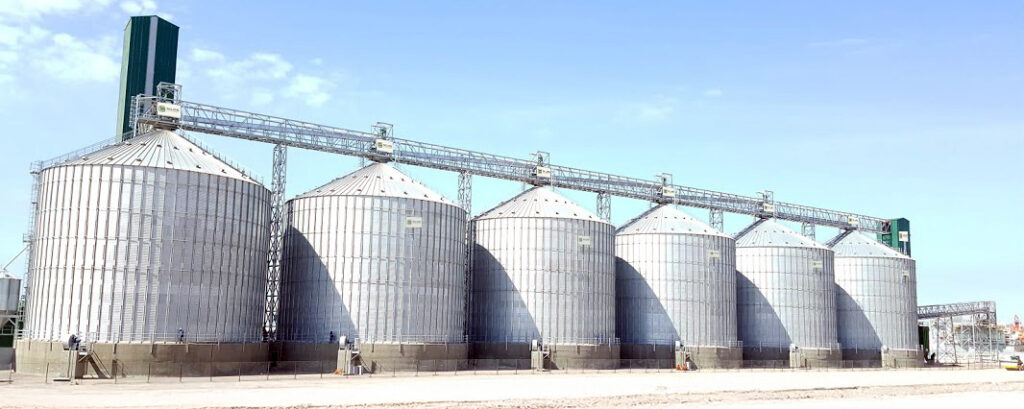
Galvanized metal silos stand out for:
∼ Structural stability
∼ Excellent aeration performance
∼ Easy cleaning and hygiene
∼ Low product loss
∼ Seamless integration with automatic control systems
Each installation must be adapted to local climate conditions, reception capacity, and expected storage duration. This is why silo design is as important as the storage strategy itself.
Storing Maize Means Managing a Dynamic System
The final quality of the grain depends on controlling its environment from day one: proper ventilation, stable temperature, adequate moisture levels, and artificial cooling when required.
With these elements in place, maize can maintain its commercial value and food safety for months.
Download the “Practical Guide to Maize Storage in Metal Silos”
Inside you will find:
> Extended moisture–temperature charts
> Aeration strategies tailored to different climates
> Recommended operating parameters
> Silos Córdoba installations worldwide