
Safe and cost-effective maize storage is a key challenge in modern grain logistics. Due to its sensitivity to moisture, temperature variations and its relatively high bulk density, maize requires storage systems specifically designed to preserve quality and ensure operational efficiency over time.
As explained in our article “How to ensure safe and cost-effective maize storage in metal silos”, aspects such as proper aeration, temperature management, structural strength and operational safety are fundamental to reducing spoilage, limiting losses and protecting the stored grain.
However, the real value of these principles is not demonstrated at the design stage, but through long-term performance in real operating conditions. Established installations provide the clearest evidence of whether a maize storage solution truly delivers on its promises.
Learning from long-standing installations
In grain storage projects, time is one of the most reliable indicators of success. Facilities that have been operating for years under variable climate conditions, continuous loading cycles and intensive logistics offer valuable insight into the effectiveness of engineering decisions.
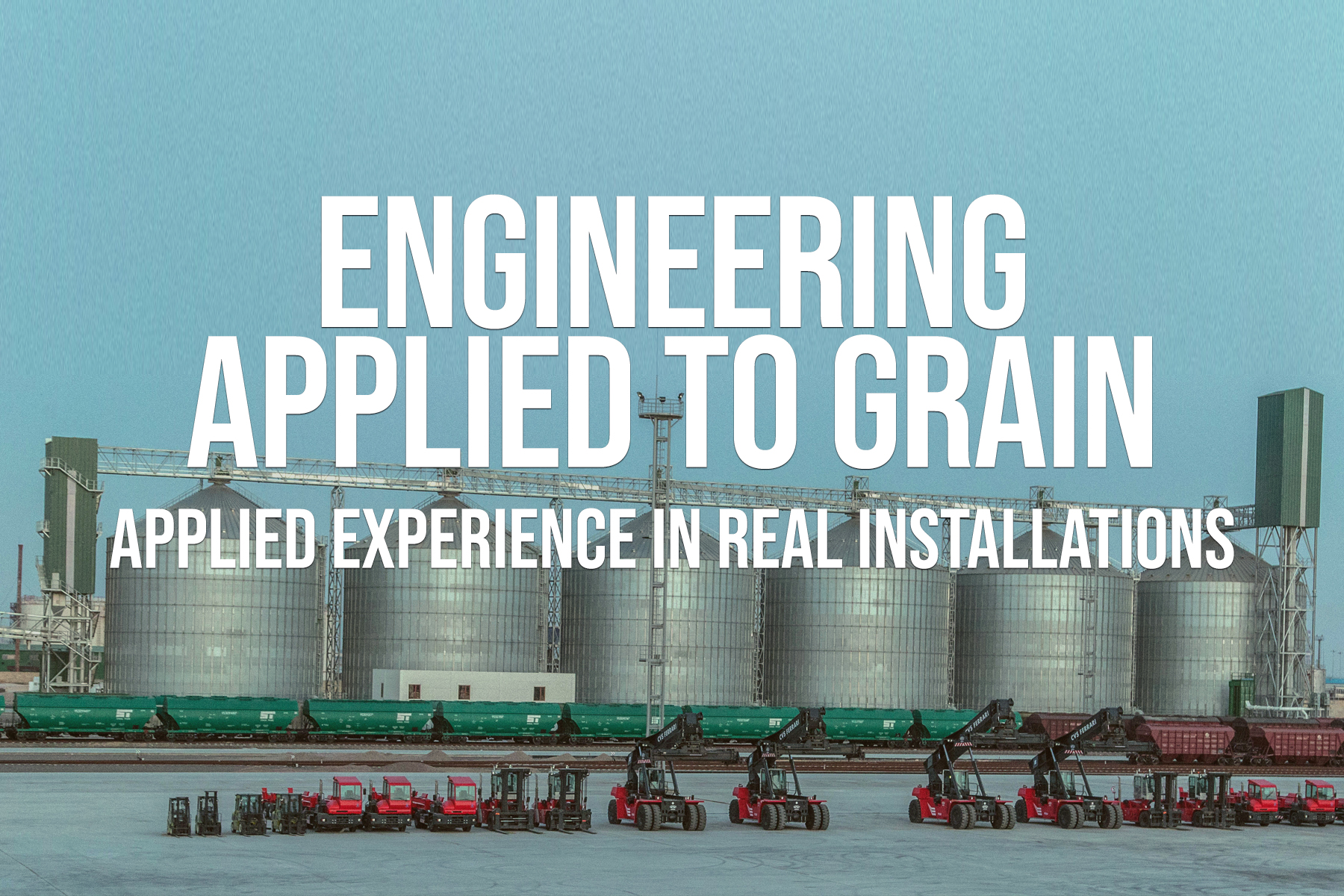
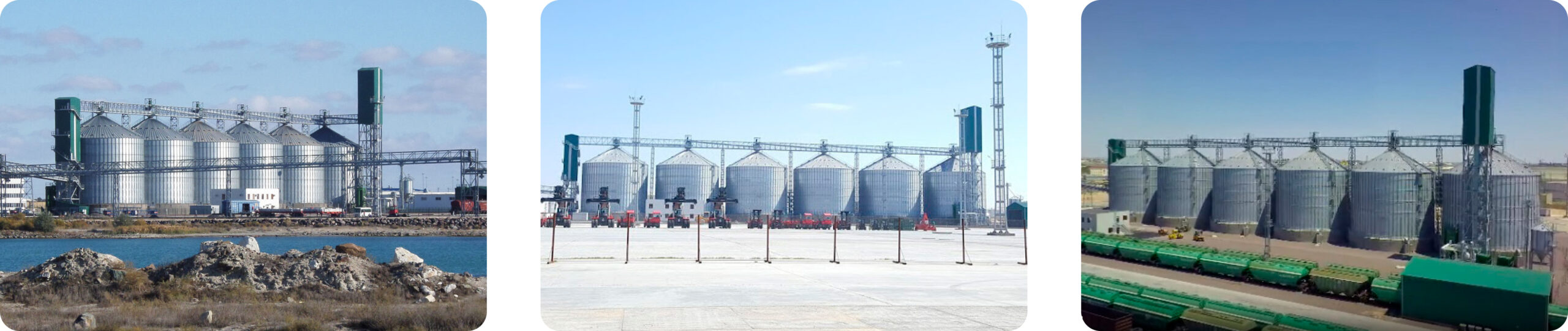
A representative example is the Grain Terminal at Aktau Port, Kazakhstan, a project delivered in 2016 by Silos Córdoba. Although not a recent installation, it remains a relevant reference for understanding how maize storage principles perform in demanding port environments.
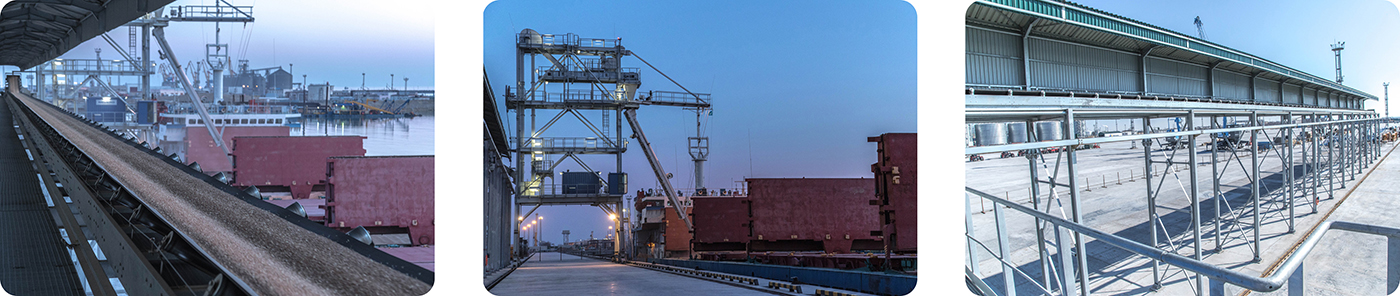
Located on the Caspian Sea, Aktau Port is a strategic logistics hub connecting Central Asia with international markets. The grain terminal was designed to handle large volumes efficiently while ensuring safe storage conditions for maize and other cereals.
Maize storage challenges in port terminals
Port terminals impose additional requirements on maize storage systems. High throughput, fluctuating storage periods and exposure to continental climate conditions increase the technical demands placed on silo design.
For the Aktau Port project, the storage solution needed to:
√ Manage large grain volumes reliably
√ Operate under significant temperature variations
√ Support continuous filling and discharge operations
√ Allow flexibility for different types of grain, including maize
These conditions made the project a suitable benchmark for assessing long-term maize storage performance.
Key technical principles applied
Several of the core principles described in our maize storage guidelines were incorporated into the design:
♦ Temperature management
The silo system supports effective control of internal temperature gradients, reducing the risk of hotspots that could compromise maize quality.
♦ Aeration adapted to maize characteristics
Aeration systems were designed to provide uniform airflow through the grain mass, helping to control moisture migration and biological activity.
♦ Structural design for high grain loads
Due to the lateral pressures exerted by maize, the silo structure was engineered to ensure long-term safety and compliance with international standards.
♦ Operational efficiency
The configuration allows smooth filling and discharge operations, an essential requirement in a high-rotation port environment.
Long-term performance and reliability
Years after commissioning, the Grain Terminal at Aktau Port continues to operate reliably, demonstrating stable storage conditions, reduced risk of grain deterioration and efficient integration into port logistics. This confirms that well-applied engineering principles retain their value over time.
Successful maize storage is not defined by how new a project is, but by how well it performs year after year. Established installations such as the Aktau Port Grain Terminal show how sound technical principles translate into durable, cost-effective storage solutions.
We have prepared a PDF presentation dedicated to maize storage projects, bringing together selected references and real installations developed over the years.
You can download the document directly here.