
In previous publications, we have analyzed in detail the specific storage requirements of grains such as maize and wheat in real projects. On this occasion, we provide a broader overview: what types of cereals exist and how to select the most suitable silo for their efficient and safe storage.
Grain storage is a critical stage within the agro-industrial value chain. An incorrect silo selection or inadequate auxiliary systems may result in losses due to spoilage, insect infestation, condensation, or structural issues.
Understanding the physical characteristics and behavior of each grain is the first step in designing an efficient storage installation.
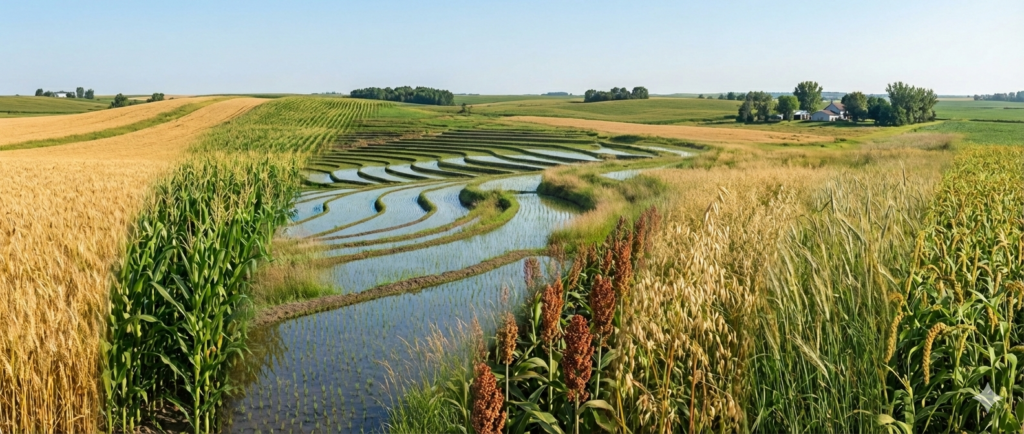
Main Types of Cereals Worldwide
Among the most widely cultivated and stored cereals are:
√ Wheat
√ Maize
√ Rice
√ Barley
√ Sorghum
√ Oats
√ Rye
√ Millet
Each presents significant differences in terms of:
♦ Bulk density
♦ Harvest moisture content
♦ Flowability
♦ Heating tendency
♦ Pest sensitivity
These factors directly influence the structural design of the silo and the ventilation and preservation systems required.
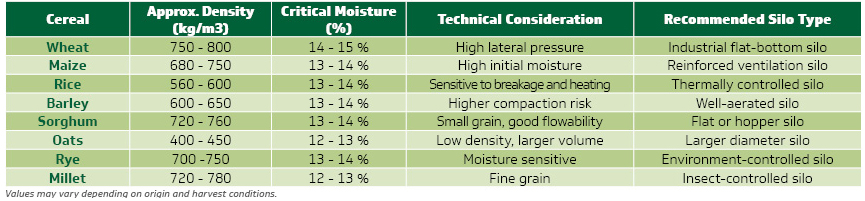
Technical Comparison Table: Cereals and Storage Requirements
Key Factors When Selecting the Appropriate Silo
1. Density and Structural Loads
Grain density determines the pressure exerted on the silo walls. For example, wheat generates higher loads than oats.
In large-scale industrial installations, structural calculations must consider:
• Static and dynamic loads
• Eccentric discharge effects
• Potential arching formations
• Segregation phenomena
At Silos Córdoba, each project is designed in accordance with international standards and adapted to real operating conditions.
2. Moisture Content and Ventilation
A grain with high initial moisture content, such as freshly harvested maize, requires proper aeration and ventilation systems to prevent:
• Fungal growth
• Mycotoxin formation
• Commercial quality loss
Selecting the appropriate aeration system is as important as selecting the silo itself.
3. Storage Duration
For long-term storage, it is essential to incorporate:
• Temperature monitoring sensors
• Monitoring systems
• Insect control
• Safe inspection access
4. Type of Facility
Design requirements differ depending on whether the installation serves:
• Agricultural farms
• Cooperatives
• Industrial processing plants
• Port terminals
Flat-bottom silos are ideal for large volumes and long-term storage.
Hopper-bottom silos are recommended for high turnover operations.
Farm silos are better suited to medium-sized agricultural facilities.
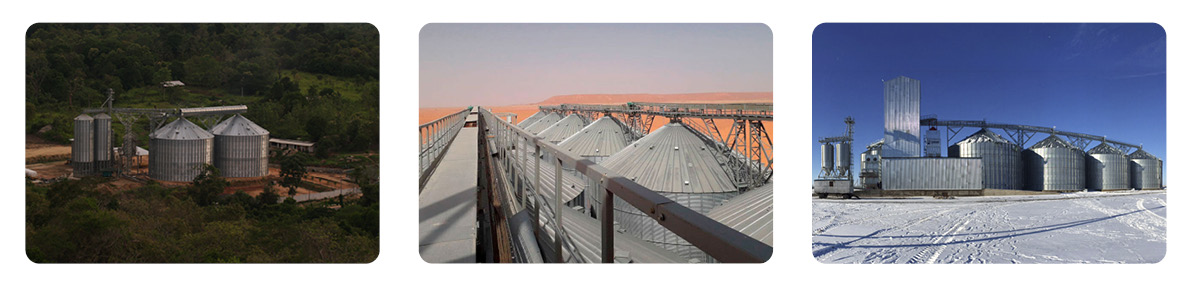
5. Climate Conditions
Installations located in:
• Tropical climates
• Desert areas
• High-humidity regions
• Areas with significant temperature fluctuations
require specific solutions in terms of galvanization, ventilation, and thermal control.
With projects executed in more than 45 countries, Silos Córdoba adapts each design to local environmental conditions.
Types of Steel Silos According to Application
◊ Flat-bottom silos (large-scale industrial capacity)
◊ Hopper-bottom silos
◊ Farm silos
◊ Buffer silos and bulk loading silos
All models can be complemented with systems for:
§ Ventilation
§ Temperature monitoring
§ Mechanical extraction
§ Automation
Each cereal presents specific storage challenges. However, with proper engineering design and correct silo selection, optimal grain preservation can be ensured while maximizing installation profitability.
For 50 years, Silos Córdoba has been designing grain storage solutions adapted to each client, crop, and environment.
If you require technical advice for your project, our team is ready to analyze your needs and provide a tailored turnkey solution.