
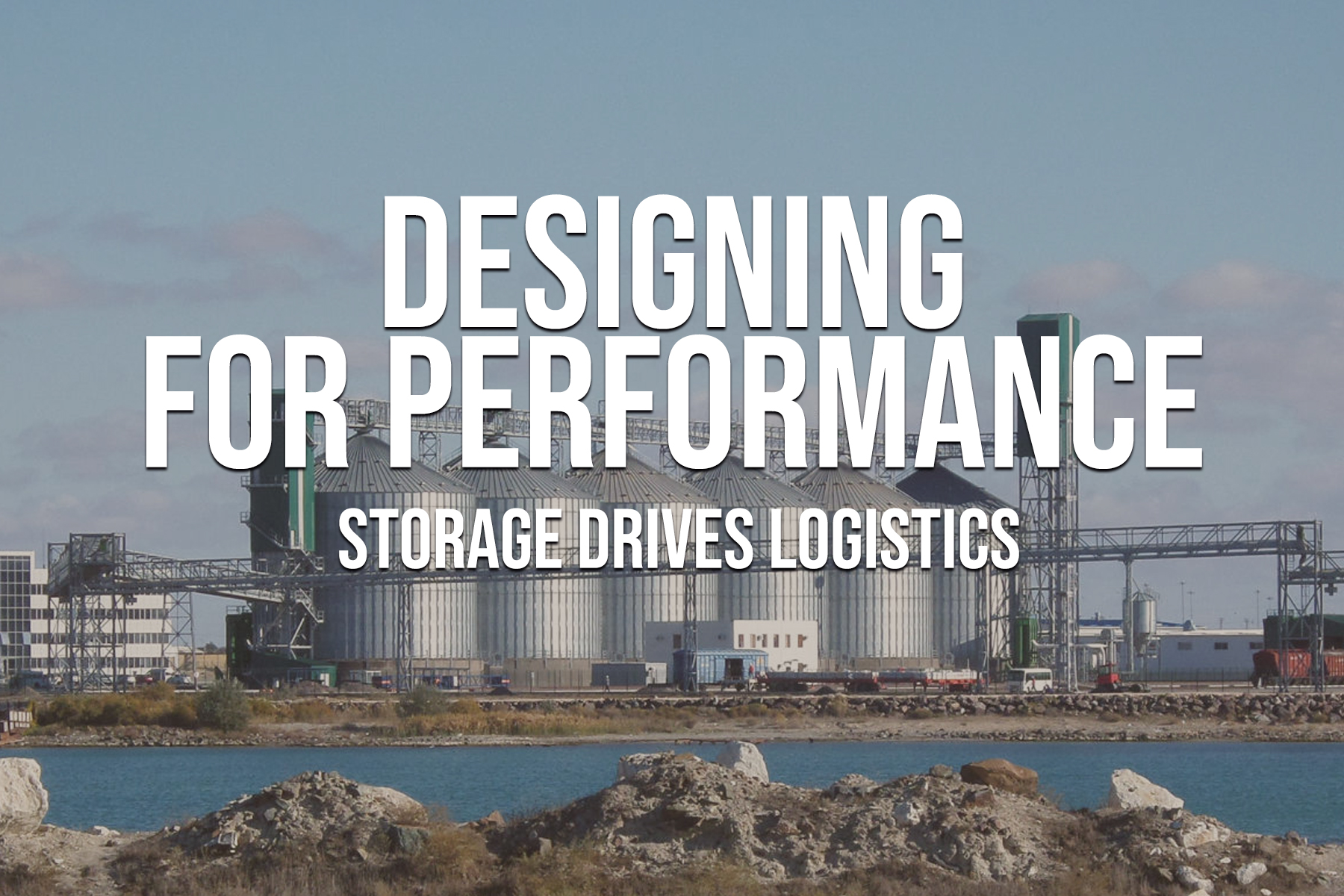
Grain storage is often seen as a final stage in the post-harvest chain, a place where product simply remains protected until its next movement.
However, in high-capacity facilities, this view is too limited.
A silo does not only preserve grain. It also determines how product is received, moved, controlled and discharged. For this reason, silo design directly impacts the logistics performance of the entire facility.
At Silos Córdoba, we see this across very different projects: port terminals, storage plants, feed mills and agro-industrial facilities where the silo is part of a much wider system.
Storage is also part of the flow
Traditionally, the main purpose of a silo has been to protect grain from moisture, temperature changes, pests and external conditions.
Today, storage must also enable continuous, safe and efficient product movement.
In a faster and more demanding market, any limitation in reception, discharge or internal handling can become a bottleneck. And when this happens, the issue extends beyond the silo to the entire operation.
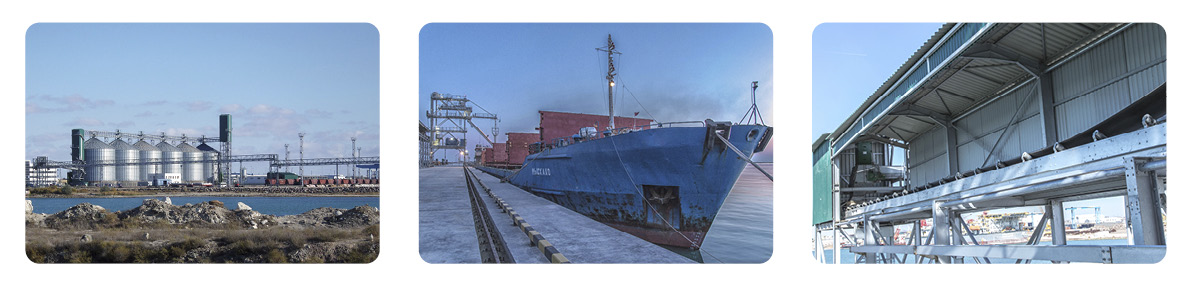
Where design makes the difference
1. Grain behaviour during discharge
Silo geometry directly influences flow behaviour.
Poor design can lead to:
√ residual product
√ segregation
√ longer cleaning times
√ operational interruptions
A stable flow allows faster turnover, fewer stoppages and smoother operation.
2. Loading and unloading capacity
In logistics-driven environments, time is critical.
It is not enough to store large volumes if the system cannot operate efficiently. Discharge capacity, outlet configuration and system connections determine:
♦ truck turnaround times
♦ vessel loading efficiency
♦ overall plant throughput
Even small improvements can significantly increase annual handling capacity.
3. Integration with handling systems
A silo does not operate in isolation.
Its performance depends on how it integrates with:
∼ bucket elevators
∼ chain or belt conveyors
∼ distribution systems
∼ structures and automation
A well-designed layout avoids unnecessary routes, reduces energy consumption, minimises mechanical wear and simplifies maintenance.
The key is not only to select good equipment, but to make all elements work as part of a coherent system.
4. Control and operational flexibility
Modern facilities require more than storage capacity.
They require control and adaptability:
◊ segregation by quality or origin
◊ controlled blending
◊ quick access to specific batches
◊ flexibility to respond to demand changes
Silo configuration directly influences this flexibility. A facility designed to store product is not the same as one designed to manage it.
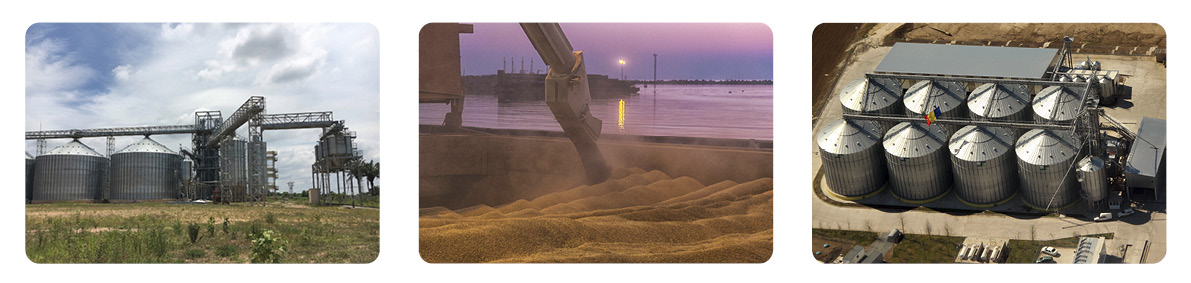
From individual silo to complete system
The most efficient plants are designed as integrated systems, where:
• storage
• handling
• ventilation
• temperature control
• automation
• operational logic
are developed together from the beginning.
At Silos Córdoba, this approach translates into complete solutions combining steel silo design, handling systems, ventilation, temperature control, structural engineering and plant layout.
The goal is not only to protect grain, but to optimise its entire journey.
Why this approach matters
Pressure on global supply chains makes inefficiencies increasingly costly.
Delays in discharge, capacity limitations, lack of integration or difficulties in managing different qualities can lead to higher operating costs, reduced competitiveness and missed opportunities.
In a context of increasing pressure on global food supply chains, efficiency in grain storage and logistics is not only an operational issue, but also a strategic one. Well-designed systems help reduce losses, improve product availability and ultimately support food security.
Storage design is no longer a secondary decision. It is a technical, operational and strategic one.
A silo is not just a storage structure. It is a control point in the movement of grain.
And when designed with a global perspective, it becomes a tool to improve efficiency across the entire operation.